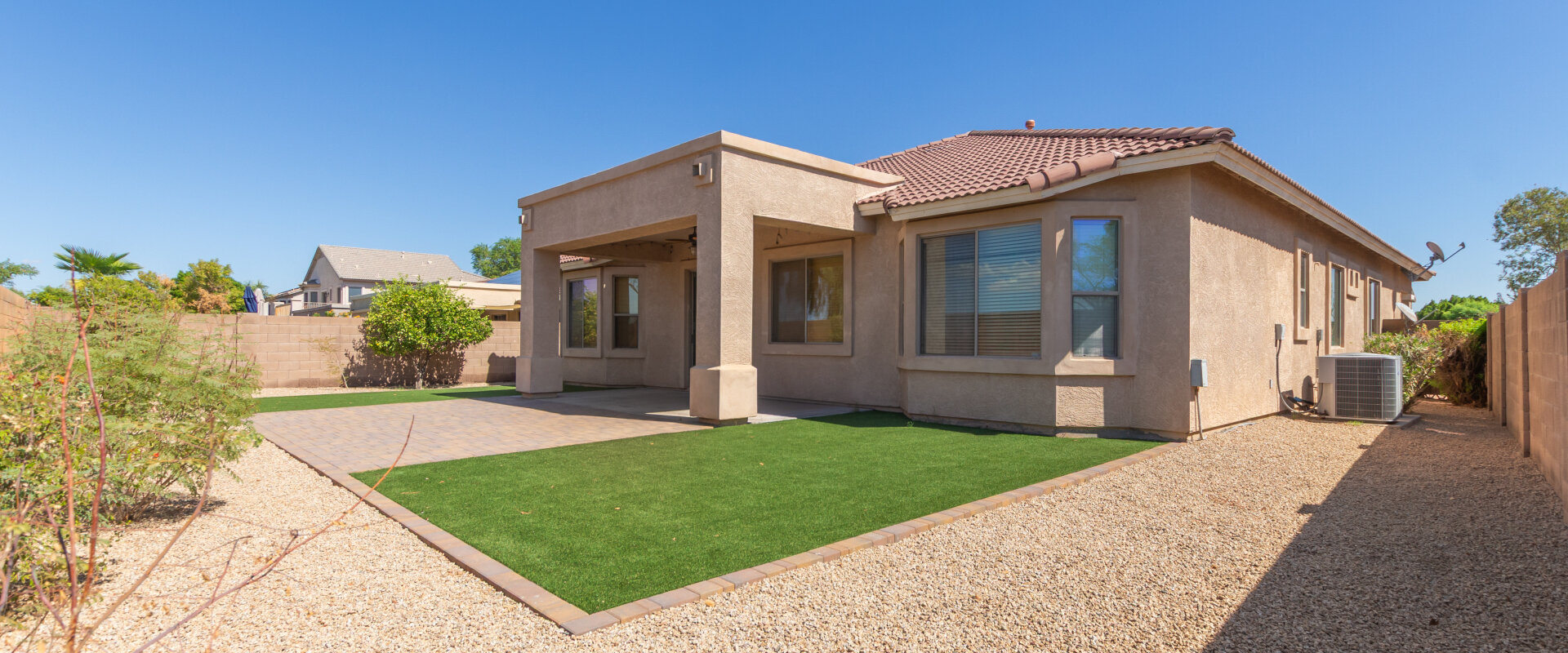


For many homeowners age 62 and older, the home they live in represents more than just a place to live—it often holds a large portion of their life savings in the form of equity. When financial challenges arise later in life, especially situations involving missed mortgage payments or the threat of foreclosure, it can feel like selling the home is the only option.
However, in some cases, a reverse mortgage may provide another path that allows seniors to remain in their home while accessing the equity they have built over many years.
Understanding the Challenge Many Seniors Face
Many older homeowners live on fixed incomes such as Social Security, retirement savings, or pensions. While these sources of income can cover everyday expenses, unexpected events—such as medical bills, rising property taxes, insurance increases, or inflation—can put pressure on monthly budgets.
If there is still a traditional mortgage on the home, those monthly payments can become difficult to maintain. Unfortunately, this can lead to missed payments and eventually foreclosure proceedings.
Before deciding to sell, it may be worth exploring whether home equity could be used to stabilize the situation.
What Is a Reverse Mortgage?
A reverse mortgage is a loan available to homeowners 62 years of age or older that allows them to convert a portion of their home equity into usable funds.
Unlike a traditional mortgage:
- No monthly mortgage payment is required
- The loan is typically repaid when the home is sold or the homeowner moves out permanently
- The homeowner continues to live in and own the home
The most common program is the Home Equity Conversion Mortgage (HECM), which is insured by the Federal Housing Administration.
How a Reverse Mortgage Can Help in a Distress Situation
For seniors who are struggling with their current mortgage or facing foreclosure, a reverse mortgage may help in several ways.
Pay off the existing mortgage
If enough equity is available, a reverse mortgage can sometimes pay off the remaining balance of a traditional mortgage. This eliminates the monthly payment that may be causing financial strain.
Create additional financial breathing room
Depending on the amount of equity and the borrower’s age, funds may be available through a line of credit or lump sum. These funds can help cover property taxes, insurance, healthcare costs, or other necessary expenses.
Allow homeowners to remain in the home they love
One of the most important benefits is the ability to stay in the home while removing the burden of monthly mortgage payments.
Responsibilities That Still Remain
While reverse mortgages remove the requirement for monthly mortgage payments, homeowners must still:
- Pay property taxes
- Maintain homeowners insurance
- Keep the home properly maintained
- Continue to live in the property as their primary residence
Failing to meet these obligations can still put the home at risk.
When a Reverse Mortgage Might Make Sense
A reverse mortgage may be worth exploring if:
- You are 62 or older
- You have significant equity in your home
- Monthly mortgage payments have become difficult
- You would prefer to remain in your home rather than sell
Every situation is unique, and it’s important to carefully review the pros and cons before making a decision.
Exploring Your Options
When financial stress affects your home, it can feel overwhelming. Many homeowners assume they must sell quickly, but that is not always the case. Options such as refinancing, restructuring a loan, or potentially using a reverse mortgage may allow you to stabilize the situation and remain in your home.
The most important first step is simply understanding the choices available to you.
If you or someone you care about is facing financial pressure related to a home, taking time to speak with an experienced professional can often reveal solutions that were not initially obvious.
Final Thoughts
Your home represents years of hard work and memories. For many seniors, staying in that home is deeply important. A reverse mortgage is not the right solution for everyone, but in the right circumstances it can provide a way to reduce financial stress and continue living comfortably in the place you call home.